

 马上加入
马上加入 SoftBank Invests in Binance Exchange: A Deep Dive into the Deal and Market Impact
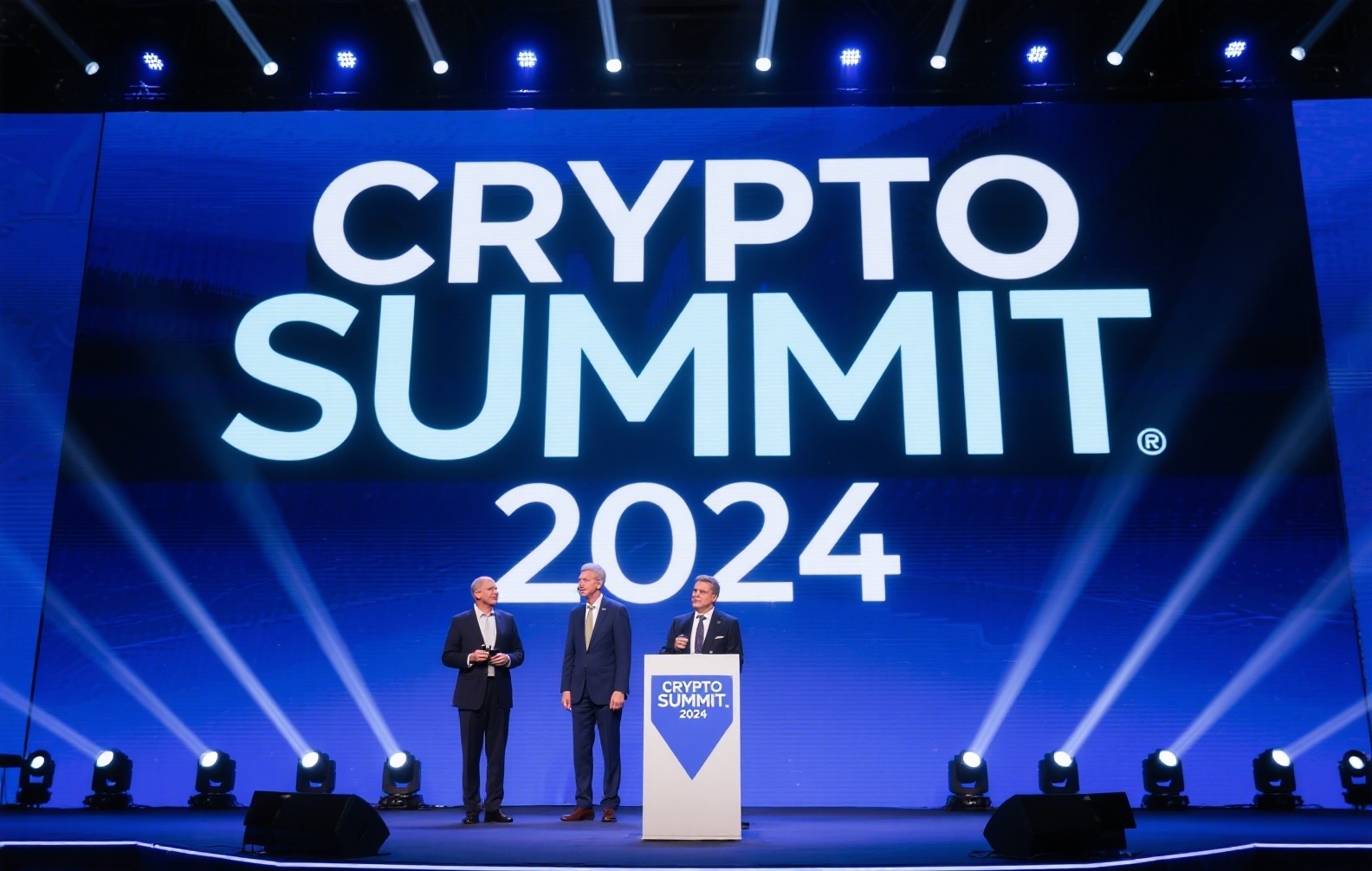
The cryptocurrency industry has long speculated about potential institutional backing for major exchanges, and a recent development involving SoftBank Group Corp. has brought this topic back into the spotlight. While specific details remain complex and often unconfirmed by all parties, the narrative that SoftBank has invested in Binance—or is exploring a strategic stake—presents an intriguing case study in how large-scale capital flows into digital asset infrastructure.
To understand the “how” of such an operation, it is critical to separate the public narrative from the mechanics. First, it is important to note that any investment by a firm like SoftBank into Binance would likely not be a direct, simple equity purchase. Given Binance’s decentralized corporate structure and its lack of a single, publicly registered global headquarters, the transaction would likely be structured through a specific regional entity—most commonly Binance.US or a regulated Singapore-based arm. This allows SoftBank to comply with local financial regulations while gaining exposure to the exchange’s massive trading volume.
The operational process begins with due diligence, which for SoftBank would be exceptionally rigorous. The Vision Fund’s analysts would scrutinize Binance’s compliance framework, its anti-money laundering (AML) protocols, its reserve attestations, and its user verification systems (KYC). A key hurdle is the regulatory environment: SoftBank must ensure its investment vehicle does not expose it to legal risks in the U.S., Japan, or Europe. Consequently, the deal terms would likely include strong governance clauses, board seats, and strict requirements for Binance to maintain transparent auditing.
From a financial standpoint, the valuation model is drastically different from traditional exchange investments. SoftBank would look at metrics such as daily trading volume (often exceeding $10 billion), staking revenue, and the exchange’s BNB token ecosystem. Instead of paying cash directly to Binance’s parent entity, the investment might be structured as a convertible note or a token warrant, allowing SoftBank to benefit if Binance’s blockchain token increases in value. This structure provides downside protection while offering upside in a bull market.
Finally, the market impact of such a move is substantial. If SoftBank officially confirms an investment, it signals a massive vote of confidence in the crypto exchange model. For retail investors, it often triggers a short-term buying frenzy for the exchange’s native token (BNB) and increases trust in the platform’s solvency. However, experts caution that such a deal could also lead to increased regulatory scrutiny, as authorities may view SoftBank’s involvement as a signal that the exchange is “too big to fail,” potentially inviting antitrust or systemic risk assessments. In summary, while the mechanics of the deal are shrouded in corporate secrecy, the underlying strategy reveals a clear trend: major institutional players are seeking structured, compliant ways to bet on the underlying infrastructure of the digital asset economy.

发表评论